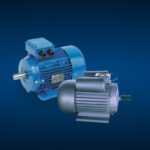
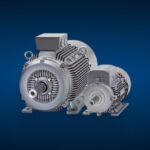
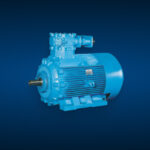
"Shri Rang Energy Efficient" is a leading trader and supplier of standard motors, gear motors, reduction gear box, flame proof motor, electric motor, cooling tower motor and single phase electric motors.
In a competitive manufacturing environment, operating expenses often make or break a company. Electric motors account for nearly 70% of industrial electricity use and represent a significant but often untapped cost control potential.
Transitioning to energy efficient motors is no longer an environmental gesture It is a strategic financial decision that directly affects the bottom line.
This article examines lifecycle costs of industrial motors, describes technical differences between efficiency classes and shows how upgrading to premium efficiency standards reduces utility bills, minimises downtime and ensures long-term operational viability.
When procurement managers evaluate industrial equipment, the focus often drifts toward the initial price tag. However, this “sticker price” is deceptive when it comes to electric motors.
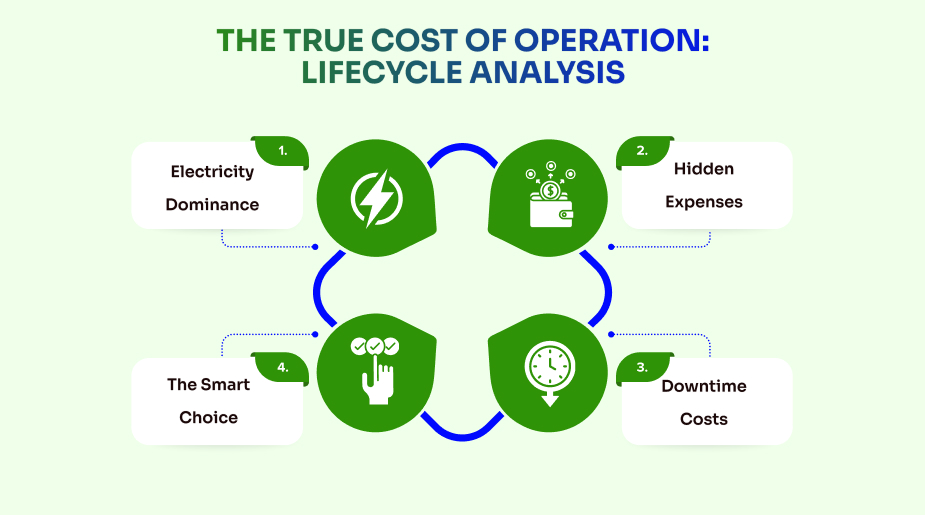
A motor’s purchase price is a tiny fraction of what it will cost the company over its operational life. The concept of Lifecycle Cost (LCC) is the only accurate metric for evaluating motor value.
The efficiency of a motor conforms to international standards (IEC 60034-30-1). These “International Efficiency” (IE) classes classify how well a motor changes electrical energy into mechanical torque. Knowing these differences is important to choosing proper equipment for your facility.
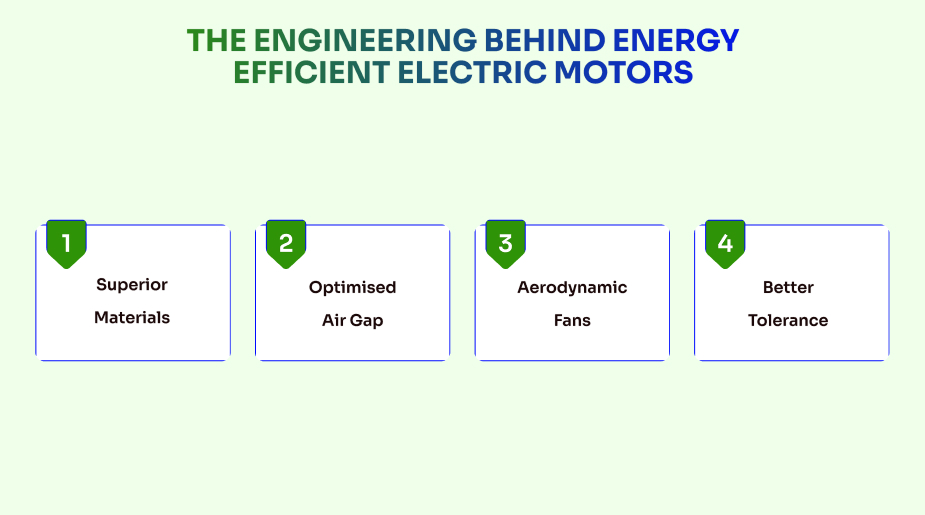
What actually makes one motor more effective than another? It is superior engineering & material science. Manufacturers of energy efficient electric motors optimise the internal design to minimize the four types of losses: stator copper, rotor losses, iron losses and stray load losses.
Inefficiency in an electric motor is primarily represented by heat. A full-load IE1 motor will run much hotter than an IE4 equivalent. This heat is the enemy of motor longevity.
While the motor itself is the heart of the system, the control method is the brain. Many industrial applications, like a ventilation fan or a water pump, do not have to run at 100% speed all the time.
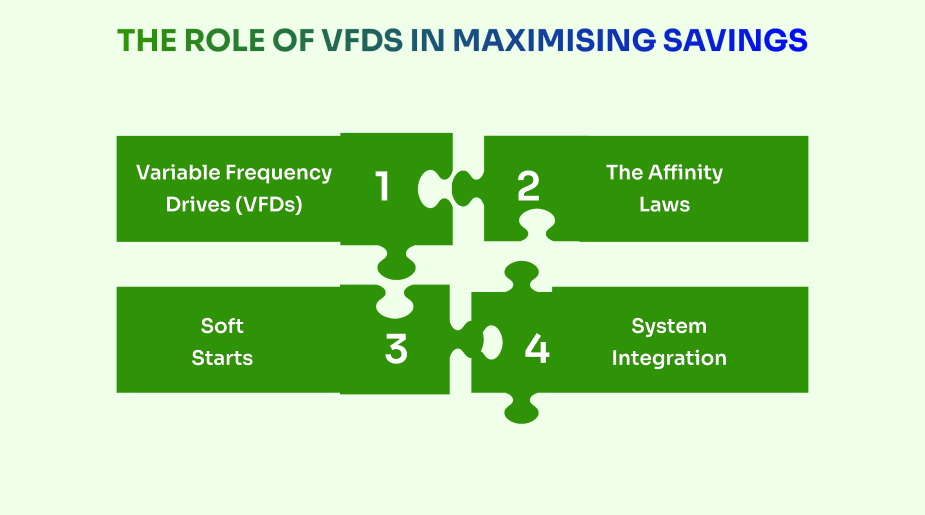
But a standard motor directly connected to the mains will drive at full speed upon demand, sometimes throttled mechanically, as if you were driving a car with the accelerator floored and the brake applied to control speed.
A common inefficiency of industrial design is to oversize motors “just to be safe.” Engineers might specify a 15kW motor for a load that peaks at 11kW and averages 7kW.
This ensures sufficient torque is produced by the motor, but induction motors lose efficiency and power factor when running at a very low rated load.
Shri Rang Energy Efficient has been serving the industrial hubs of Ahmedabad and Gujarat for over 17 years with robust energy-saving solutions. Our team acts as your technical partner in energy efficiency rather than simply selling “boxes.”
At Shri Rang Energy Efficient, we understand that making a large-scale upgrade to your facility’s drive systems is a big decision.
As an Authorised Dealer of world-class companies such as Bharat Bijlee, Siemens, ABB and Havells, we are able to provide a wide variety of energy-saving motors (IE2 to IE4) that fit the needs of your application.
From flame-proof motors used in chemical plants to standard induction motors for use on conveyor lines, our team will work with you to determine which specification best meets your requirements.
Please contact Shri Rang Energy Efficient today to help you lower operating costs and increase your productivity by driving your costs down and your productivity up.
Frequently asked questions (FAQs)
Q1. Why are energy-efficient motors important for industrial cost reduction?
A. Energy-efficient motors consume significantly less electricity, which accounts for nearly 95% of a motor’s lifecycle cost. By reducing energy losses, they lower operating expenses, minimize downtime, and improve overall plant efficiency.
Q2. What is the difference between IE1, IE2, IE3, and IE4 motors?
A. IE1 motors are standard efficiency and largely phased out due to high energy losses. IE2 motors offer improved efficiency but are no longer ideal for new installations. IE3 (Premium Efficiency) motors are the current industry standard, while IE4 (Super Premium Efficiency) motors deliver the lowest energy losses and are best suited for continuous-duty applications.
Q3. How quickly can industries recover the investment in IE3 or IE4 motors?
A. In continuous applications such as pumps, fans, and compressors, the return on investment for IE3 or IE4 motors can be achieved in less than 24 months due to substantial energy savings and reduced maintenance costs.
Q4. How do Variable Frequency Drives (VFDs) enhance motor efficiency?
A. VFDs regulate motor speed based on actual load demand, preventing energy waste during partial-load operation. When combined with energy-efficient motors, VFDs can reduce energy consumption by up to 50% in centrifugal applications.
Q5. Why is proper motor sizing critical for efficiency?
A. Oversized motors operate at low load levels, leading to poor efficiency and power factor penalties. Correctly sized motors operate closer to their optimal efficiency range, delivering maximum energy savings and better system performance.

Author
Smit Patel is a visionary leader in the field of industrial motors, gearboxes, drives, and switchgear. With a strong focus on innovation and energy efficiency, he is dedicated to delivering high-quality, reliable solutions tailored to meet diverse industrial needs. His expertise ensures clients receive exceptional products and services that drive performance and sustainability across sectors in India.