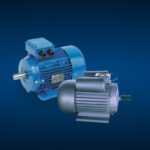
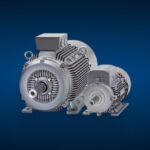
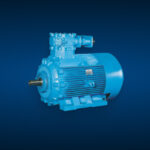
"Shri Rang Energy Efficient" is a leading trader and supplier of standard motors, gear motors, reduction gear box, flame proof motor, electric motor, cooling tower motor and single phase electric motors.
Combustible gases, vapors or dust are commonly found in the atmosphere in high risk industrial environments like oil refineries, chemical plants and underground mines. A single electrical spark can cause a disaster in such volatile zones.
A specialised type of motor called the flame proof motor was developed as an effective way to protect against the hazards in these types of areas.
While a regular motor would allow an internal explosion to ignite the potentially explosive atmosphere in which it operates, the flameproof motor will prevent an internal explosion from escaping into the work area.
This article discusses the robust mechanics of such flame proof motors, how to interpret their specifications and why they are necessary for industrial safety compliance.
A flame-proof (or explosion-proof) electric motor is not engineered to withstand external fires, but rather to contain them within. Electric motors naturally produce heat and may produce sparks in normal operation or during faults.
In a clean factory, such things are harmless. But in an area containing methane or solvent fumes, that internal spark could be the ignition source for the whole facility.
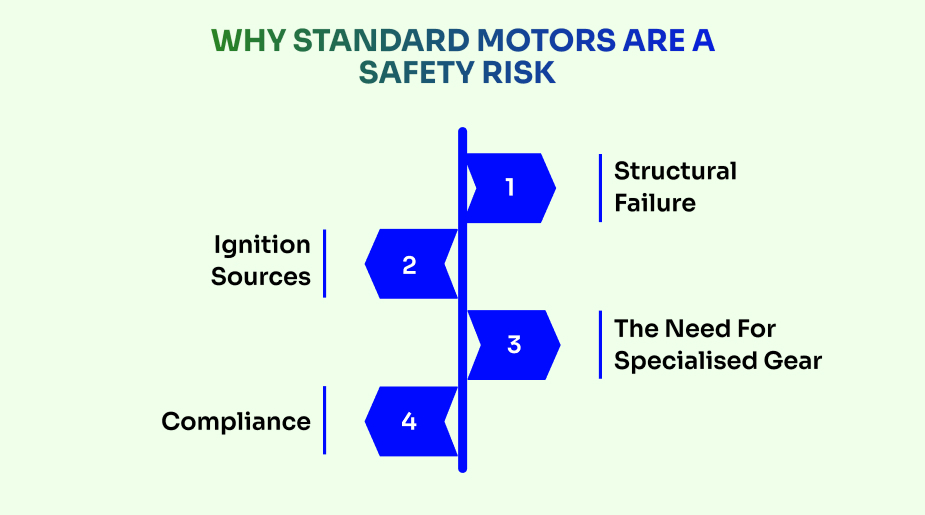
A standard induction motor is a gamble in a hazardous zone. The standard motors have open ventilation for maximum cooling and reduced weight. They are neither structurally designed to with stand an explosion nor flame-resistant to transmission.
If a combustible mixture enters a standard motor and ignites, the casing would probably burst and hot shrapnel and flames would be projected into the combustible atmosphere.
Flame-proof motors are one of the most popular types of motors within the heavy industries sector. Most refineries and chemical plants use these motors. One very common application is a flame-proof motor with pump attached to it.
This type of motor is used to move volatile liquids such as gasoline or ethanol from one container to another. Flame-proof motors are also used on many ventilation fans in underground mines.
In underground mines, there are often pockets of gases that can be present in unexpected areas of the mine.

In short, safe operation in hazardous environments depends on the correct equipment selection and application.
Flame Proof Motors (FPMs) provide a first line of defense against potentially catastrophic explosions through containment of internal sparks and cooling of dangerous gases prior to their ignition in the external atmosphere.
Knowing critical distinctions of “Ex d” markings, temperature classes, and gas groups allows industrial managers to make decisions beyond compliance.
It is critical to prioritise the use of these robust and certified FPMs over standard motor offerings to maintain the integrity of high-risk facilities such as Refineries and Mines.
At Shrirang Energy Efficient we are committed to bridging the gap between required safety standards and reliable supply.
As authorised dealers for several well-respected brands, including Bharat Bijlee, ABB and Siemens in the Ahmedabad industrial marketplace since 2006, we have the knowledge and resources to support your immediate needs, whether it be a custom Flame Proof Motor with Pump Configuration, or assistance with Flame Proof Motor Specifications.
Contact us today to ensure that your operations are supported by the safest and most efficient technologies available.
Frequently asked questions (FAQs)
Q1. How does a flame proof motor prevent explosions?
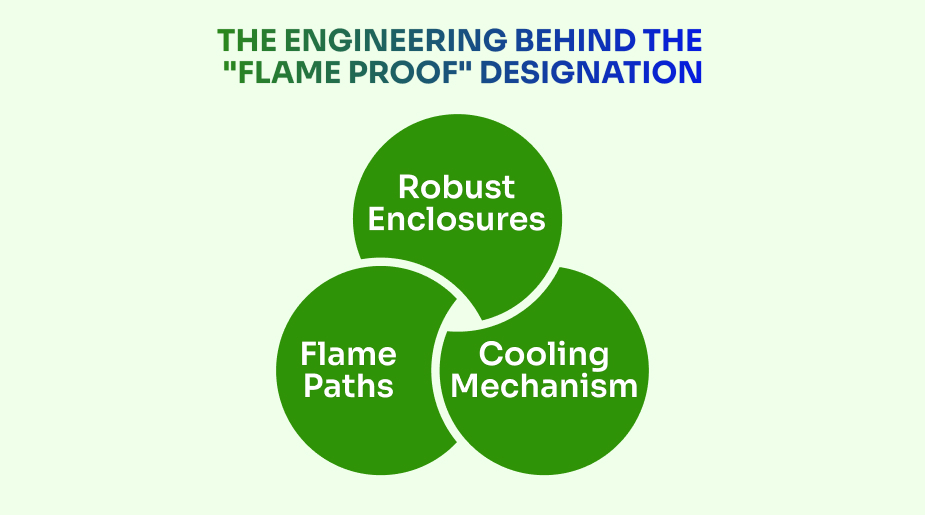
A. It uses a robust enclosure and precisely machined flame paths that allow hot gases to cool before escaping, ensuring the external environment is not ignited.
Q2. What does the “Ex d” marking mean on a flame proof motor?
A. “Ex d” indicates that the motor is certified as flame proof (explosion-proof) and complies with international standards for use in hazardous areas.
Q3. What are temperature classes (T1–T6) in flame proof motors?
A. Temperature classes define the maximum surface temperature of the motor. They ensure the motor’s surface does not exceed the ignition temperature of surrounding gases.
Q4. What are gas groups IIA, IIB, and IIC?
A. Gas groups classify the type of explosive gases present. IIC is the most severe group, covering highly explosive gases like hydrogen and acetylene.
Q5. Where are flame proof motors commonly used?
A. They are widely used in oil refineries, chemical plants, petrochemical facilities, underground mines, and for applications like flame proof motors with pumps, compressors, and ventilation fans.

Author
Smit Patel is a visionary leader in the field of industrial motors, gearboxes, drives, and switchgear. With a strong focus on innovation and energy efficiency, he is dedicated to delivering high-quality, reliable solutions tailored to meet diverse industrial needs. His expertise ensures clients receive exceptional products and services that drive performance and sustainability across sectors in India.